






Fast, accurate blood alcohol testing for conclusive results
Two markers, two windows
We test for two distinct biomarkers, and the combination is what makes this approach so powerful.
PEth accumulates in red blood cells when alcohol is consumed regularly, and stays detectable for around three to four weeks. It is only produced when alcohol is actually consumed, which means there is no ambiguity, no interference from outside factors, just a clear and specific picture of what has been happening in the weeks before testing.
Blood EtG works differently. It is a direct metabolite that only forms when the body processes alcohol, and it can detect consumption within the last two to three days. We include blood EtG at no extra cost with every PEth test, giving you both the short-term detail and the broader monthly picture from a single collection. When a specific incident needs to be investigated alongside a wider pattern of use, that combination is particularly hard to argue with.
Advantages of blood testing
- Two biomarkers in one collection – PEth covers the past three to four weeks, while blood EtG detects use within the last two to three days.
- PEth is alcohol-specific with no interference from outside factors.
- Dry blood spot collection is minimally invasive.
- Blood EtG is included at no extra cost with every PEth test.
Disadvantages of blood testing
- Does not provide the extended historical window available through hair or nail testing.
- CDT and LFT markers can be influenced by medical conditions or medications, limiting their standalone value.
- Venous testing options are less direct measures of alcohol intake and are most meaningful alongside other results.

How we collect the sample
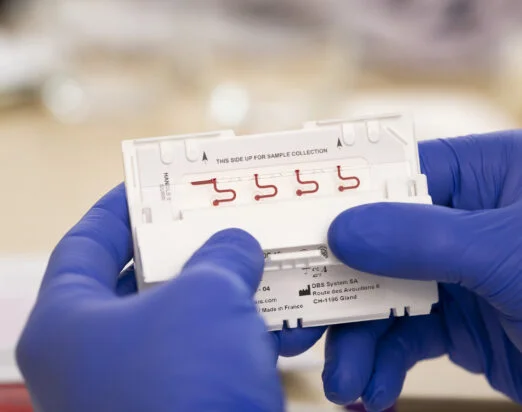
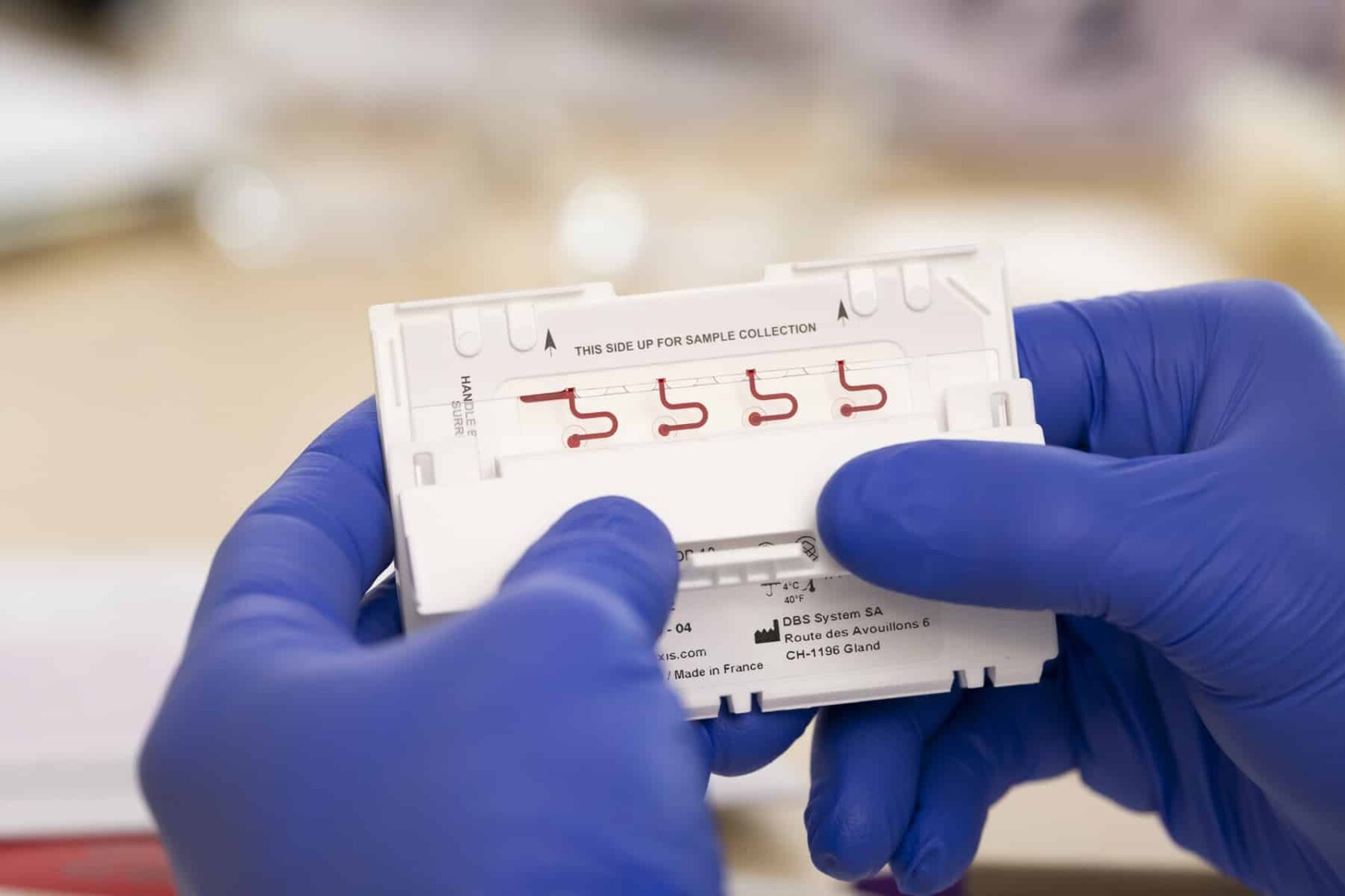
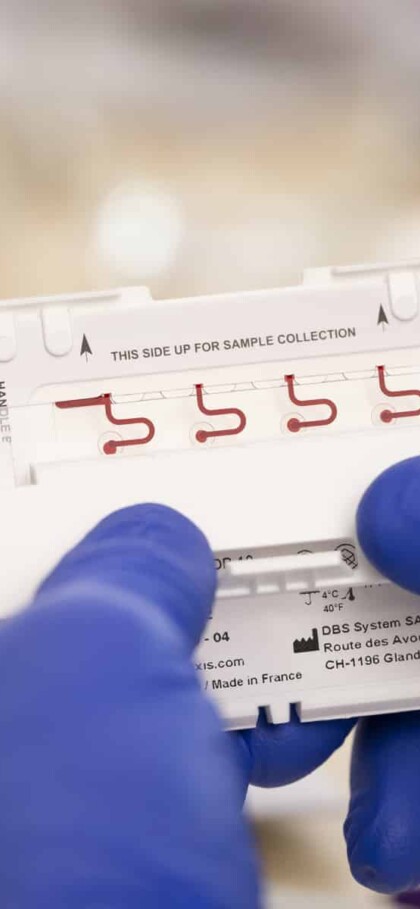
We use dry blood spot collection, a simple, minimally invasive process that involves a small drop of blood taken via a finger prick. It transfers from specialist capillaries then onto a filter paper within the collection pack, dries, and creates a stable sample that travels and stores reliably without any fuss.
The sample is taken using a small finger prick device, the same type used in diabetes testing and blood drives, making it familiar and far less daunting than a conventional blood draw. It is suitable for people with needle phobia or poor venous access, and because both markers come from a single collection, there is no need for repeat appointments or additional disruption.
Venous blood testing
For some cases, venous blood testing may also be worth considering. CDT testing measures a biomarker associated with sustained heavy alcohol use over the preceding two to four weeks, and LFT assesses how the liver is performing by looking at relevant enzymes and proteins in the blood.
Neither test is a direct measure of alcohol intake in the way PEth or blood EtG are, and both can be influenced by other factors including certain medical conditions and medications. They are most meaningful when considered alongside other results rather than on their own. If you are unsure whether venous testing is relevant to your situation, our team is happy to advise.






How blood
testing works
1. ingestion & metabolism
2. Incorporation into blood
3. Laboratory Analysis

Speak to our team
Blood testing FAQs
PEth levels are generally associated with regular or heavy drinking rather than a single episode. However, a significant one-off event could produce a detectable reading — our experts will always interpret results in context.
The detection window for PEth and CDT (Carbohydrate Deficient Transferrin) blood alcohol tests is limited to about 28 days because these markers only remain in the bloodstream for a certain period after alcohol consumption.
Blood samples are collected by a trained professional at an an arranged home or office visit.
The sample is taken using a small finger prick device, the same type used in diabetes testing and blood drives, making it familiar and far less daunting than a conventional blood draw. It is suitable for people with needle phobia or poor venous access, and because both markers come from a single collection, there is no need for repeat appointments or additional disruption.
An LFT (Liver Function Test) blood alcohol test provides a snapshot of the liver’s current state by measuring specific enzymes and proteins that reflect its function. However, it doesn’t offer a long-term view of liver damage or alcohol consumption over time. The test only shows the liver’s condition at the time of testing, and levels can vary due to factors such as recent alcohol intake, medications, or other health conditions.