









Paternity testing for peace of mind & legal certainty

The science behind the result
Every person inherits half of their DNA from their biological mother and half from their biological father. A paternity test works by comparing specific genetic markers across the profiles of the child and the potential father. Where those markers consistently align, biological paternity is confirmed. Where they do not, it is excluded.
Up to 45 genetic markers are analysed as standard, which gives a result accurate enough to establish paternity to a statistical certainty that stands up in any setting, professional or legal.
How paternity dna testing works
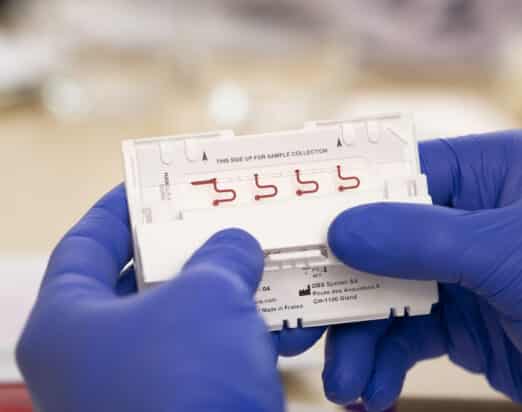
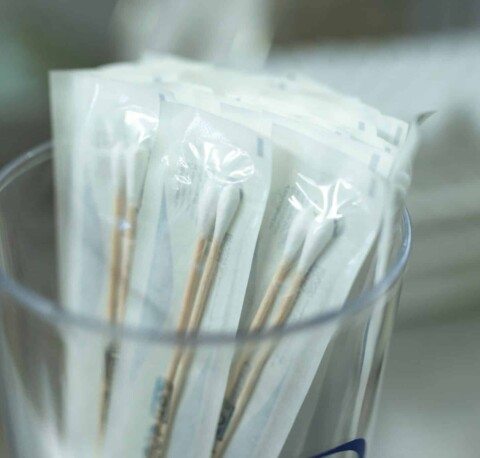
Testing is straightforward and completely painless. A cheek swab is rubbed quickly and gently on the inside of the cheek to collect a DNA sample from each person taking part. The swabs are then securely packaged and sent off for analysis. Both the potential father and the child need to provide a sample.
When paternity testing matters
Paternity testing is relevant in a wide range of situations. It can provide personal clarity for families navigating complex or uncertain circumstances. It supports applications for parental responsibility, child maintenance arrangements, and inheritance claims. In legal proceedings, a confirmed or excluded paternity result can be central to the outcome of a case.
Peace of mind and legal testing
Not every paternity test is taken for legal purposes. Our peace of mind testing is designed for those who simply need to know, handled privately and returned quickly.
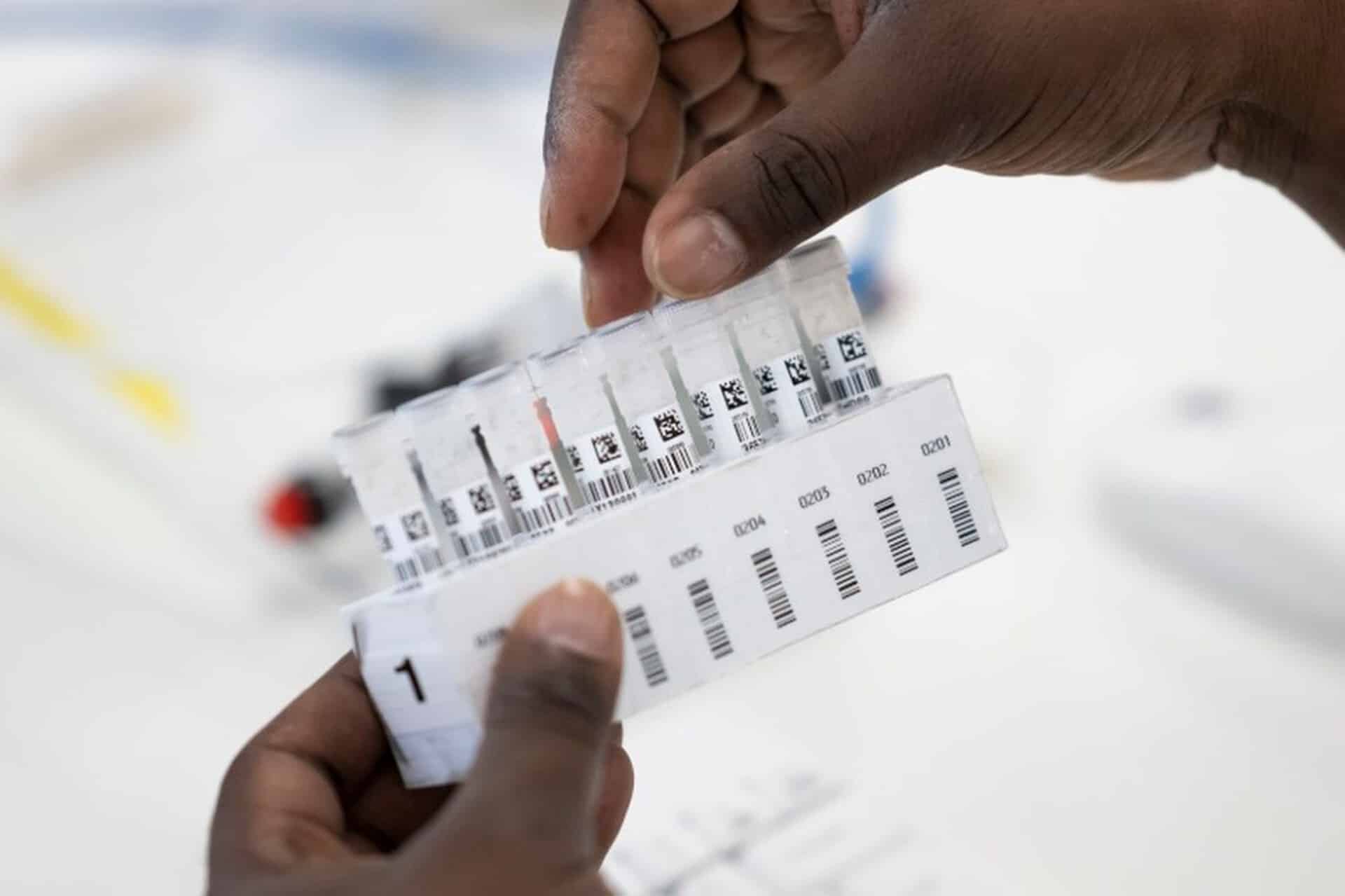
Where results need to meet a legal standard, our testing follows a strict chain of custody from sample collection through to reporting. Results are accepted by Family Courts, the Ministry of Justice, UK Visas and Immigration Service, the Home Office, HM Passport Office, Border Force and Immigration Enforcement.






How DNA
testing works
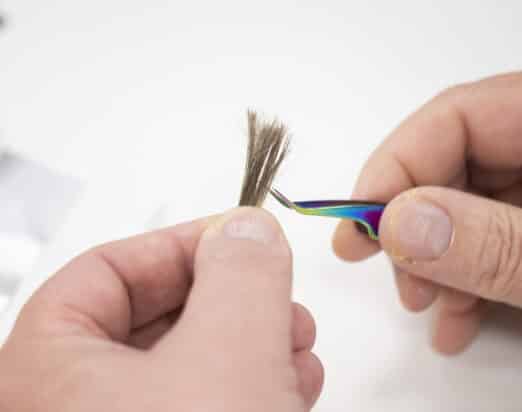
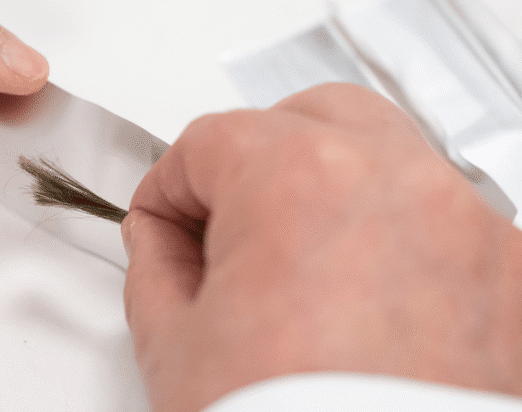
1. Sample Collection
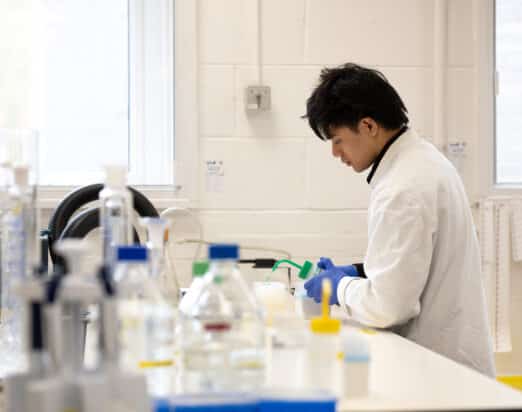
2. DNA Extraction & Profiling
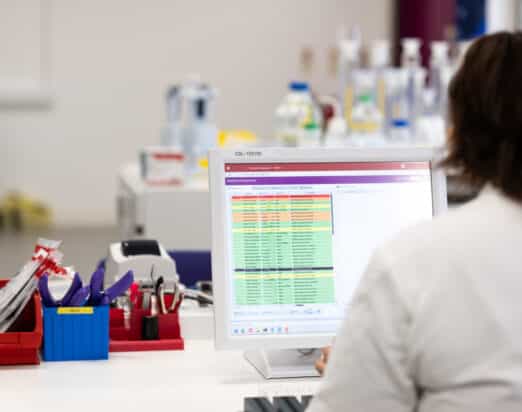
3. Laboratory Analysis & Matching
Speak to our team
Not sure which direction to take? Our team will help you figure out what’s right for your circumstances.
DNA FAQs
Samples are collected using a simple, pain-free mouth swab — no needles or medical appointments needed. Kits can be used at home or collected by a trained collector for legal purposes.
DNA paternity testing is extremely accurate . A confirmed match typically returns a probability of 99.99% or above, and an exclusion result is 100% conclusive.
In most cases, results are returned within 3–5 working days of samples arriving at the lab. We’ll keep you updated throughout and make sure you understand your results fully.