









Family relationship DNA testing for peace of mind & legal matters

The science behind the result
Extended family relationship testing works by comparing shared genetic markers between individuals to calculate the likelihood of a biological connection. The further removed the relationship, the more genetic variation there is to account for, which means these tests are inherently more nuanced than direct parent and child analysis.
The more participants who can contribute a sample, the stronger the result. Where close relatives are available to test alongside the individuals in question, their involvement significantly increases the statistical weight of the outcome, and we would always encourage it where possible.
How family dna testing works
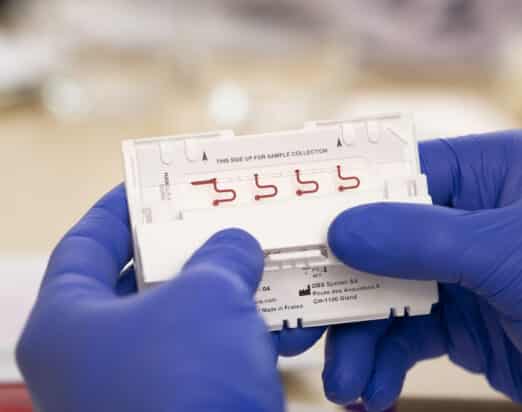
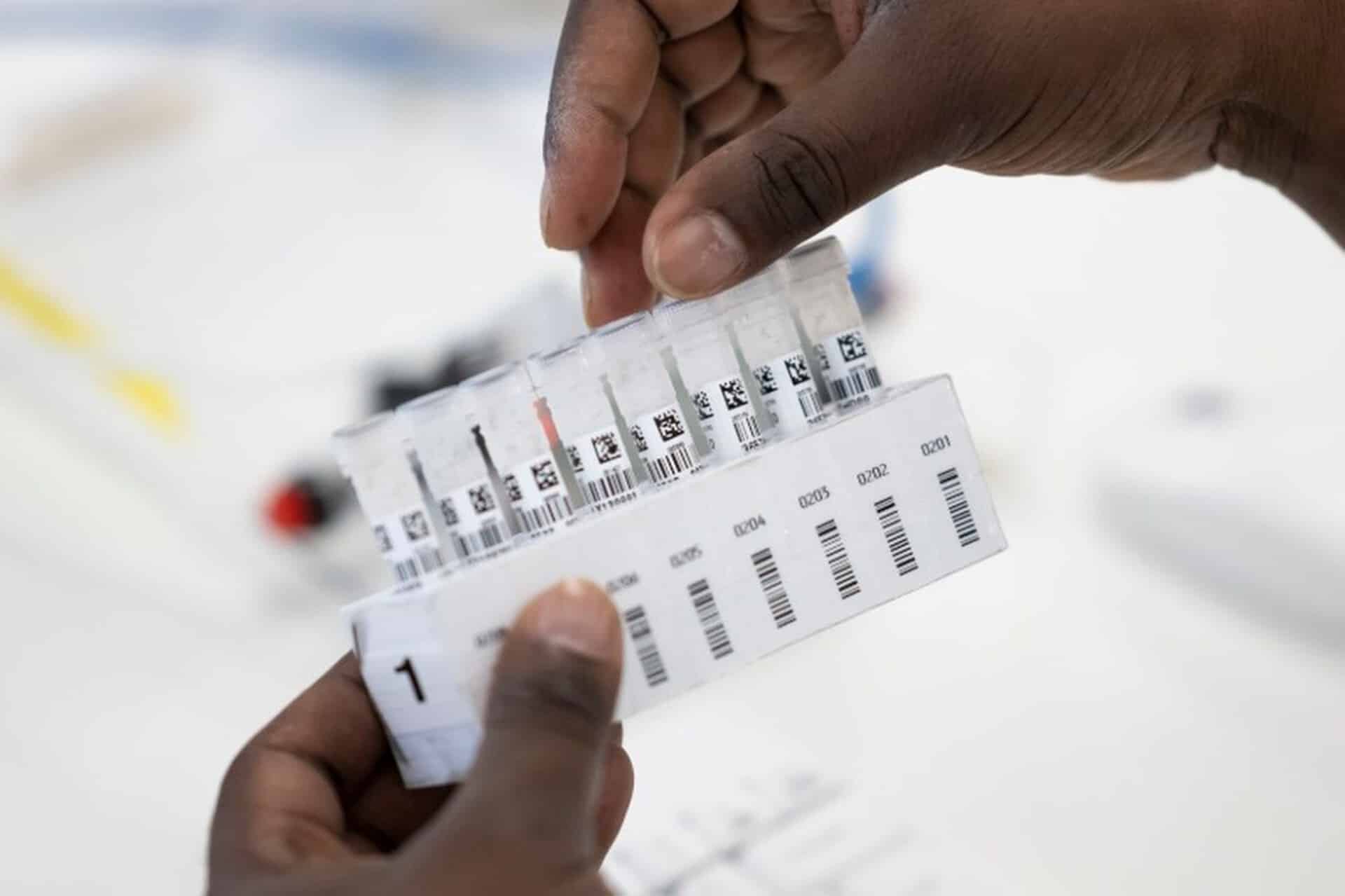
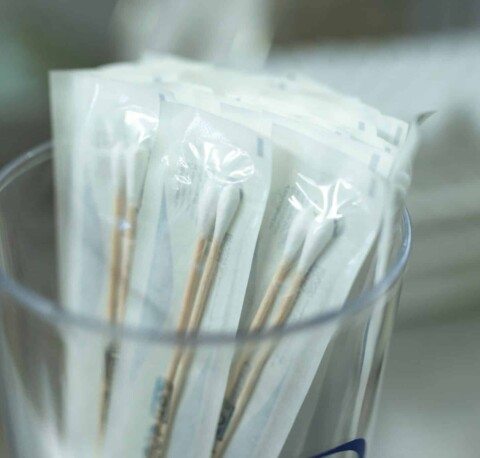
Sample collection is straightforward and completely painless. A cheek swab is rubbed gently on the inside of the cheek to collect DNA from each person taking part. Samples are securely packaged and sent for analysis, where the most appropriate approach for the specific relationship being investigated will be applied.
Every extended family case is assessed individually. Our team will talk through the situation with you before anything is instructed, to make sure the right relationship is being tested in the right way.
When extended family testing matters
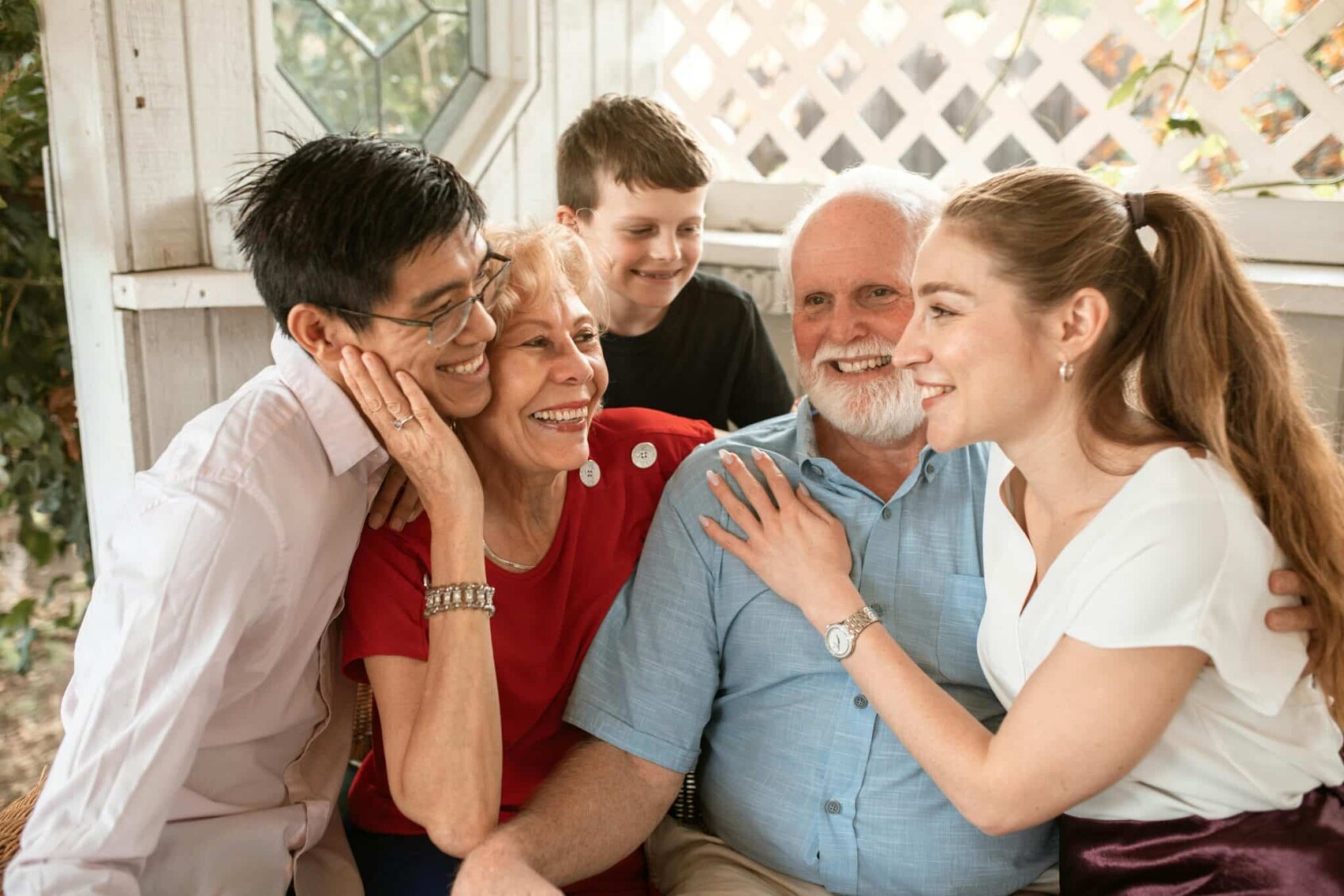
Relationship testing beyond the immediate family comes up in a wider range of situations than many people expect. It supports inheritance and estate disputes where biological connections need to be established. It helps individuals who were separated from their families through adoption or care to build a clearer picture of their biological history. It can also be relevant in legal proceedings where a specific family relationship needs to be evidenced and direct parent testing is not possible.
Peace of mind and legal testing
Whether you need a private answer or a result that holds up in a formal setting, we will find the right approach. Our legally instructed testing follows a strict chain of custody from collection through to reporting, and results are accepted by Family Courts, the Ministry of Justice, UK Visas and Immigration Service, the Home Office, HM Passport Office, Border Force and Immigration Enforcement.






How DNA
testing works
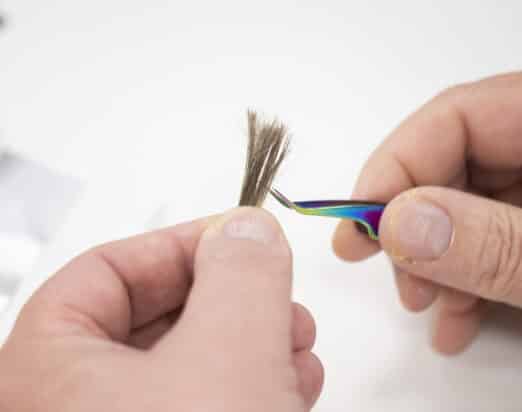
1. Sample Collection
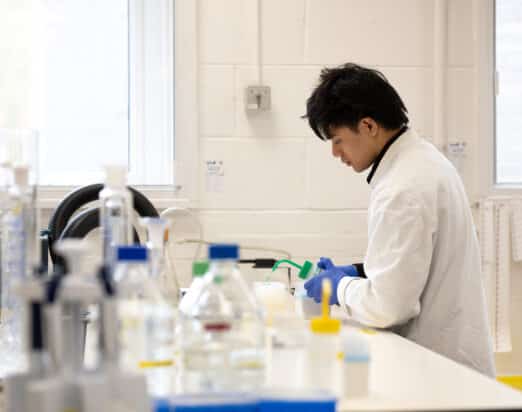
2. DNA Extraction & Profiling
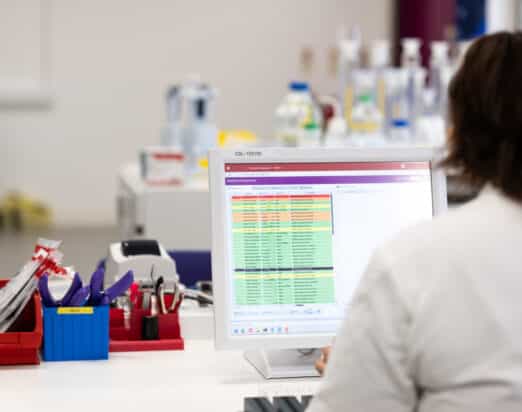
3. Laboratory Analysis & Matching
Speak to our team
DNA FAQs
Samples are collected by swabbing the inside of the donor’s cheek, using a sterile applicator.
These tests are often used when a direct parent isn’t available for testing — for example, in inheritance cases, immigration applications, or family tracing situations.
Results can be produced to legal standards when samples are collected by an approved collector. Our team can advise on the right approach depending on how the results will be used.
While parent-child testing offers the highest accuracy, our extended family tests still deliver statistically robust results. We’ll always be transparent about what the results can and can’t confirm.