






Accurate nail drug testing you can rely on
What nail testing can and can't tell you
Nail drug testing can provide a solid overview of substance use across a significant stretch of time, but unlike hair strand drug testing, it won’t produce a month-by-month breakdown of when substances were taken. It’s also not the right method for identifying one-off or very recent use. Used in the right circumstances, though, it’s a robust and informative test.
Nail testing works well as a standalone option when head or body hair isn’t available, or as a complementary approach alongside other methods. If you’re not sure whether it’s the right fit for your situation, our team can talk you through the options and help you make the most informed decision.
Advantages of nail testing
- Long detection window, fingernail clippings cover approximately 6 months, with toenail clippings extending to around 12 months
- Reliable alternative when hair is unavailable, and can complement other testing methods.
- Quick, non-invasive collection that can be carried out anywhere.
- Tamper-resistant, observed throughout and difficult to interfere with.
Disadvantages of nail testing
- No month-by-month breakdown of when specific substances were taken.
- Not suitable for detecting one-off or very recent use.
- Requires nails of sufficient length, normal condition, and free from contamination.
- Results show historical use only, with no precise timeline within the detection window.

The detection window
How far back a nail test can reach depends on the sample. A three-millimetre fingernail clipping typically covers around six months of exposure history. A three-millimetre toenail clipping can extend that to approximately twelve months, making it one of the longer detection windows available across any testing method, this is due to the difference in growth rates.
The science
When substances are ingested, the body breaks them down into metabolites. These chemical markers travel through the bloodstream and pass into the keratin of the nail, where they become trapped as the nail grows. Each layer of nail that forms is, in effect, a record of what was in the body at that time.
It’s this process that makes nail testing such a useful long-term indicator of use.
How samples are collected
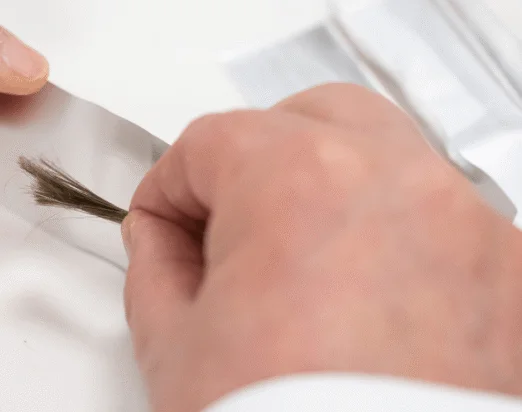
The process is straightforward, discreet, and observed throughout, which makes it extremely difficult to tamper with. Collection is only possible where nails are of sufficient length and in normal condition. Nails that are contaminated with dirt, oil, nail polish, or false nails are not suitable for testing. We take additional care when collecting from donors with conditions that may result in abnormal nail growth.






How nail testing works
1. ingestion & metabolism
2. Incorporation into Nail
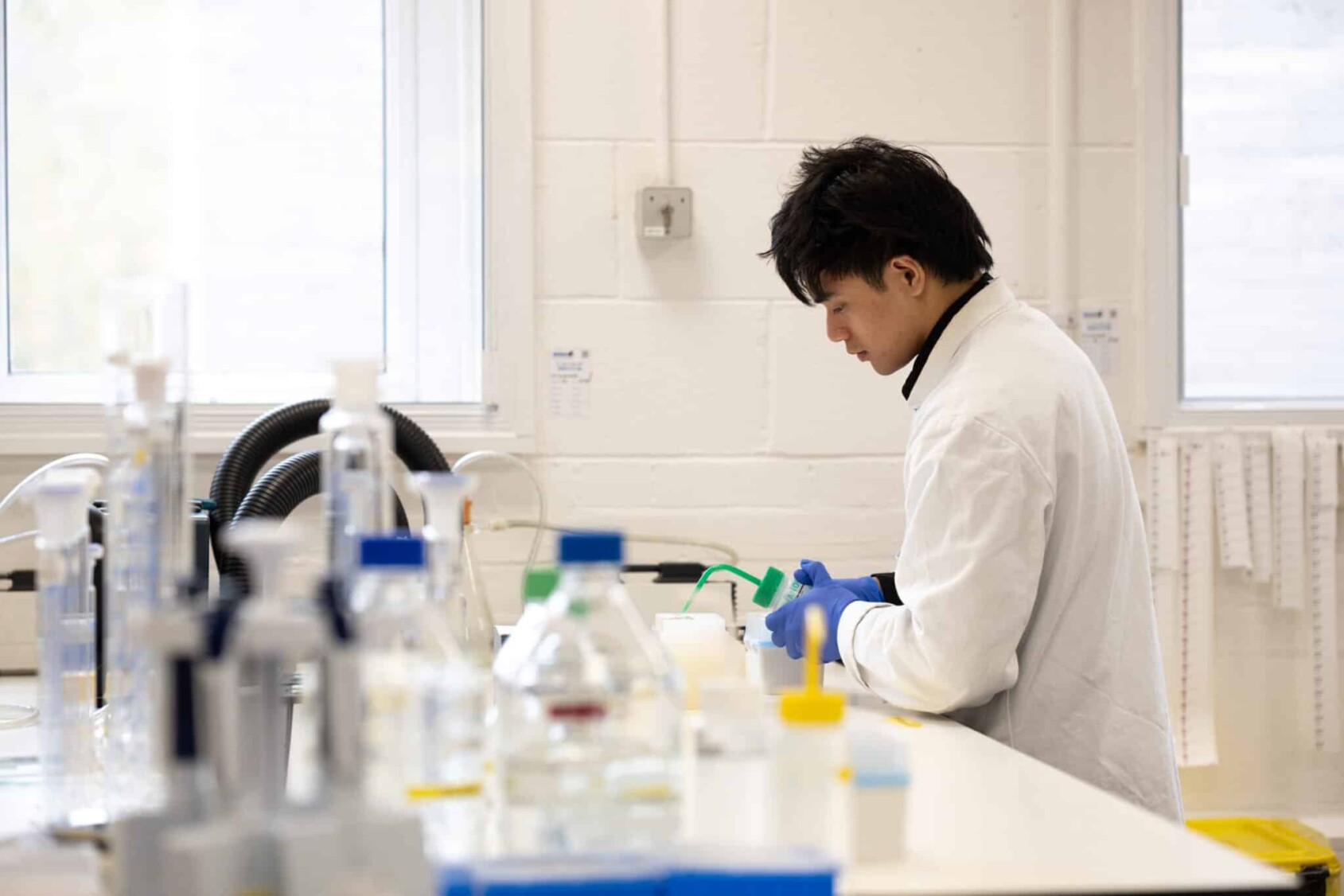
3. Laboratory Analysis
Speak to our team
Not sure which direction to take? Our team will help you figure out what’s right for your circumstances.
Nail testing FAQs
We need a minimum amount of material to run an accurate analysis. If fingernails aren’t sufficient, toenail clippings can be used instead — or we can discuss hair testing as an alternative.
Nail varnish shouldn’t affect the result, but artificial nails or nail extensions can prevent collection of the natural nail. We’d recommend removing these before sample collection where possible.
Yes, nail testing is a validated method and results produced to legal standards are accepted in court. Samples collected by an approved collector will include full chain of custody documentation.
Nail and hair testing offer broadly similar retrospective windows of around 3–6 months. The key difference is that nails can’t be segmented by month the way hair can, so they give an overall picture rather than a timeline.