







Reliable hair strand alcohol testing from a UK-accredited lab
A single sample can reveal patterns of consumption going back up to six months. Identify periods of heavy use, and in the right circumstances, provide evidence of genuine abstinence. Whatever the question, this is one of the most detailed and reliable ways to answer it.
Accredited analysis, precise results
We test for two direct biomarkers of alcohol consumption in hair: EtG and EtPa. Both form when the body metabolises alcohol and become incorporated into the hair as it grows, where they remain detectable for months. Neither marker appears without genuine alcohol consumption, which makes them highly reliable indicators of use.
EtG is particularly sensitive and especially useful when the question centres on abstinence or regular consumption. EtPa is more resilient to the effects of chemical hair treatments such as bleaching or colouring, which can reduce detectable EtG levels. Using both together gives a fuller, more robust picture, and ensures that hair treatment history does not undermine the integrity of the result.
Advantages of hair testing
- When segmented, indicates patterns of alcohol use over weeks and months
- Highly sensitive; highly accurate
- Simple, non-invasive collection
- Fast results
Disadvantages of hair testing
- Hair tests cannot precisely determine the quantity of alcohol consumed by the donor
- Samples cannot indicate alcohol use less than 7 days after the incident.

When drinking habits have changed
For most cases, an overview across the full sample period tells you what you need to know. But when someone’s drinking has shifted significantly over time, a single average can obscure as much as it reveals.
We are one of the only labs in the UK to offer sectional analysis for hair alcohol testing. By segmenting the sample into monthly sections, we can examine consumption at different points across the period, rather than returning one overall figure. It is the same principle as our sectional drug analysis, applied to alcohol, and it is particularly valuable when evidencing a genuine and sustained change in drinking behaviour. Where that evidence matters, this level of granularity can be decisive.
Sampling, made straightforward
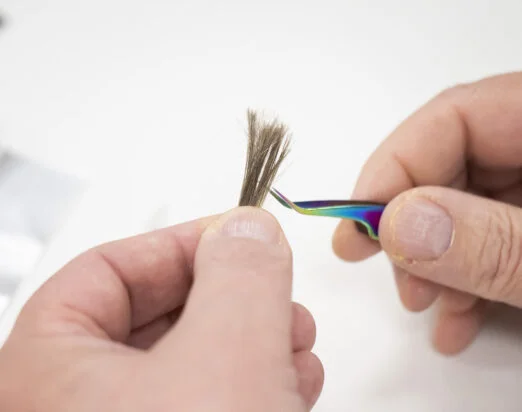
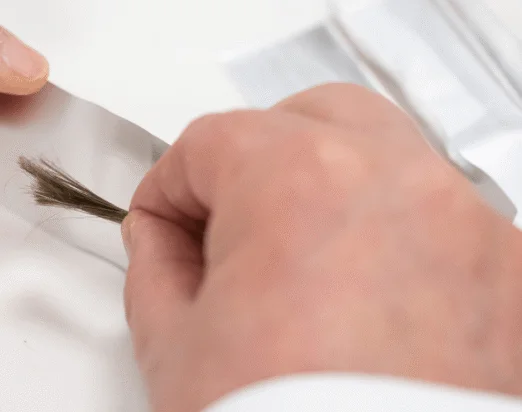
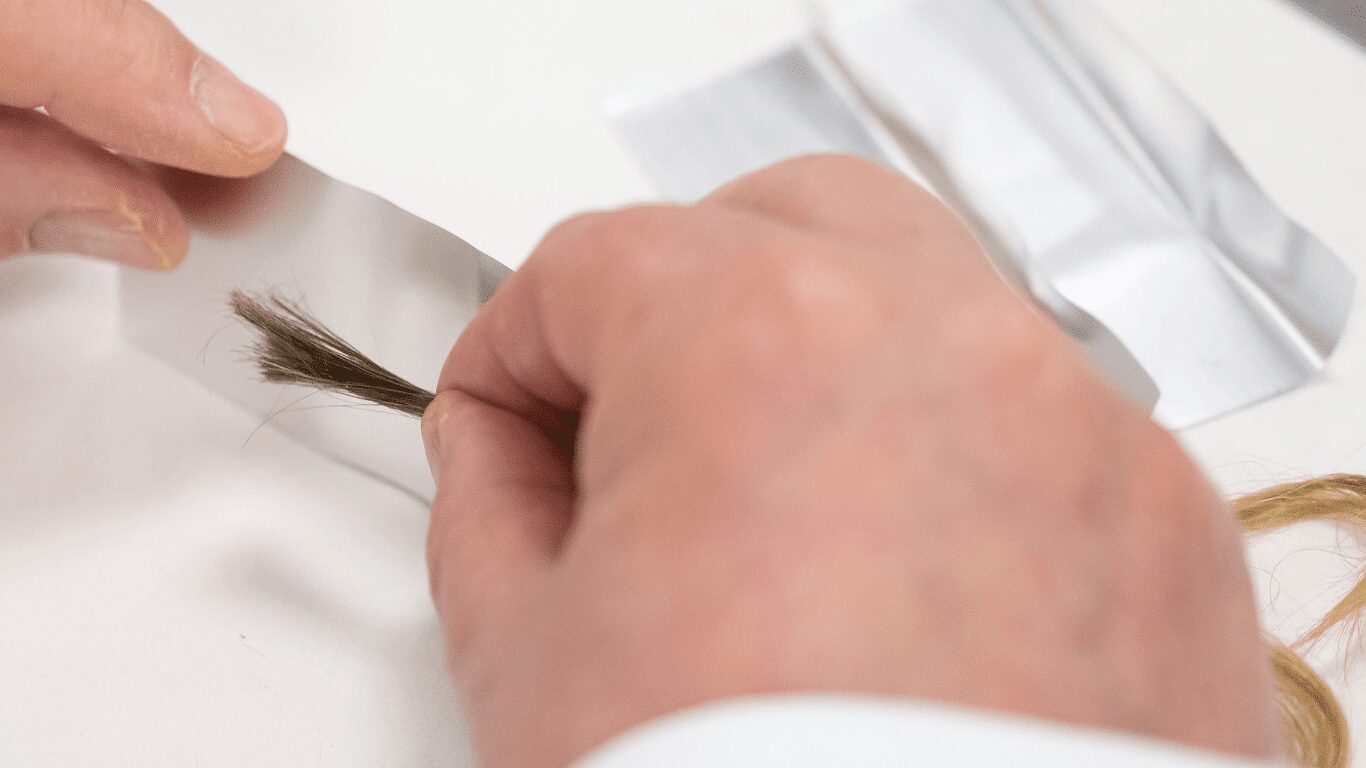
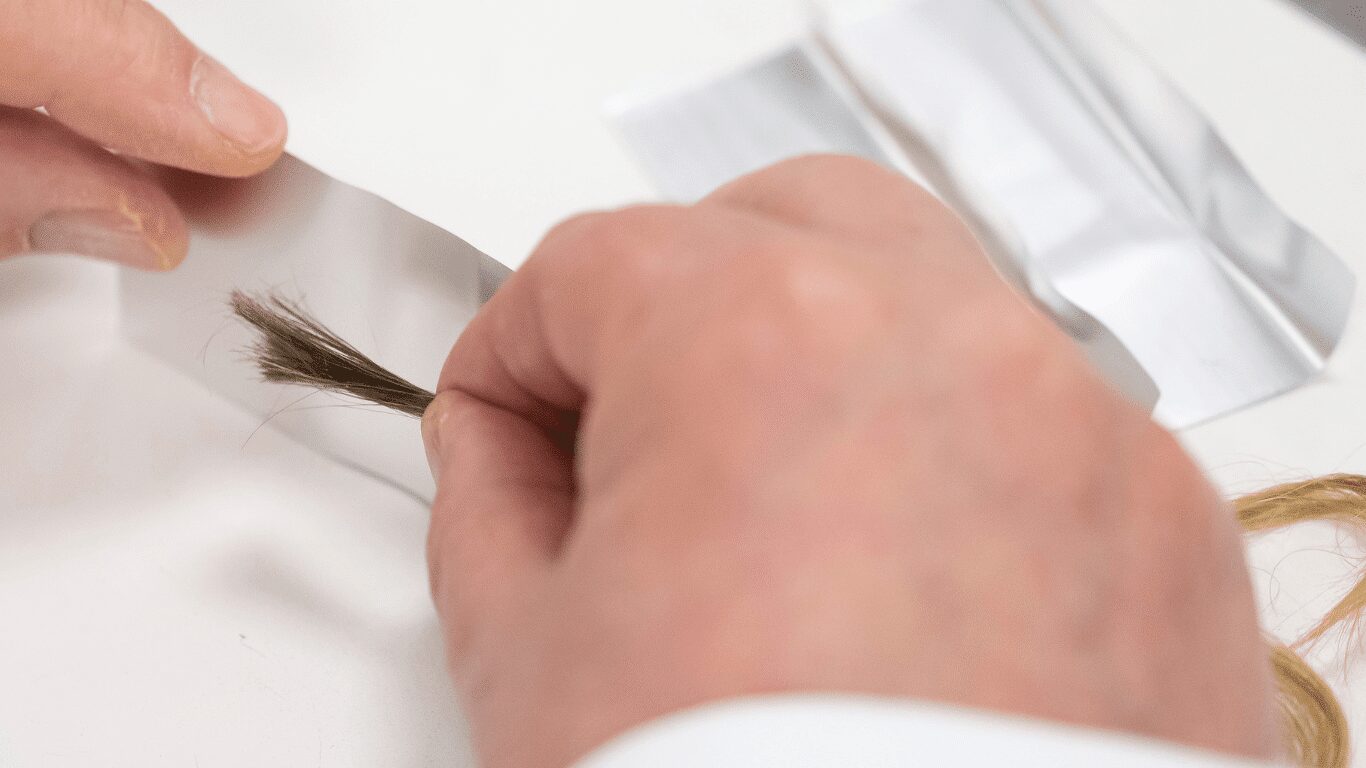
All samples are taken by our own trained collectors. The process is non-invasive and discreet, and only a small amount of head hair is needed, roughly the width of a shoelace, which is less than many other labs require. We also take enough in a single collection that if retesting or repeat analysis is needed, we already have it covered. No second appointment, no further disruption.
Where head hair is not available, body hair can be used. It is worth knowing that body hair will not produce the same month-by-month breakdown, but still gives a reliable overview of consumption across a time period.
If neither is an option, nail clippings can be tested. We would always recommend head hair first, body hair second, and nails as a last resort, but whatever the situation, we will find the most appropriate route to an accurate result.






How hair strand
testing works
1. ingestion & metabolism
2. Incorporation into Hair
3. Window of detection
4. Laboratory Analysis

Speak to our team
Not sure which direction to take? Our team will help you figure out what’s right for your circumstances.
hair strand testing FAQs
External contamination is a recognised consideration in hair alcohol testing. Our laboratory uses washing procedures and applies SoHT guidelines specifically designed to distinguish between external exposure and genuine internal consumption.
Chemical treatments can affect EtG levels in hair. Where a sample shows signs of significant treatment, our experts will note this in the report and interpret the result accordingly.
Results are interpreted against established SoHT thresholds to indicate whether consumption has been consistent with abstinence, low-risk, or excessive drinking. It’s a reliable indicator, though no test is entirely without limitations.
Our reports are written to be clear and accessible, not just for legal professionals but for anyone reading them. If you have questions about what a result means, our team is always happy to explain.