






Fast, accurate nail alcohol testing from a trusted UK lab
What nail testing tells you
Nails absorb EtG as they grow, making them a reliable marker of alcohol consumption across an extended period. We test nails specifically for EtG as it is the most dependable indicator of alcohol exposure in this type of sample.
The result gives a broad overview of use rather than the month-by-month granularity that hair can provide. It will not tell you exactly when consumption occurred, but it will give a clear and reliable picture of whether alcohol has been present across the sample window.
Advantages of hair testing
- Long detection window, fingernail clippings cover approximately 6 months, with toenail clippings extending to around 12 months
- Reliable alternative when hair is unavailable, and can complement other testing methods.
- Quick, non-invasive collection that can be carried out anywhere.
- Tamper-resistant, observed throughout and difficult to interfere with.
Disadvantages of hair testing
- No month-by-month breakdown of when alcohol was consumed.
- Not suitable for detecting one-off or very recent use.
- Requires nails of sufficient length, normal condition, and free from contamination.
- Results show historical use only, with no precise timeline within the detection window.

When to consider nail testing
If head or body hair is unavailable, nails are a practical and worthwhile option. They will not replicate everything that hair strand testing can offer, but in the right circumstances they can still provide the evidence you need.
How far back a nail test can reach depends on the sample. A three-millimetre fingernail clipping typically covers around six months of exposure history. Toenails grow more slowly, and the same three-millimetre clipping can extend that window to approximately twelve months, making nail testing one of the longest detection windows available across any testing method.
If you are unsure whether nail testing is the right route for your situation, our team is always happy to talk it through.
How we collect the sample
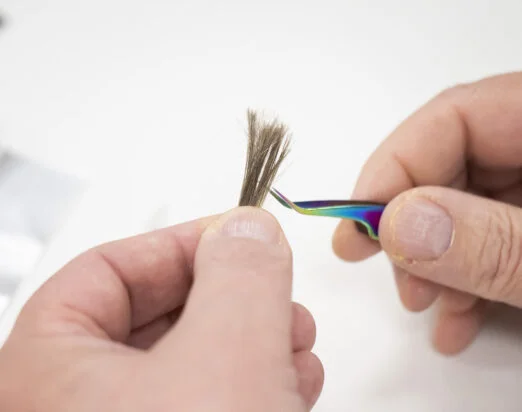
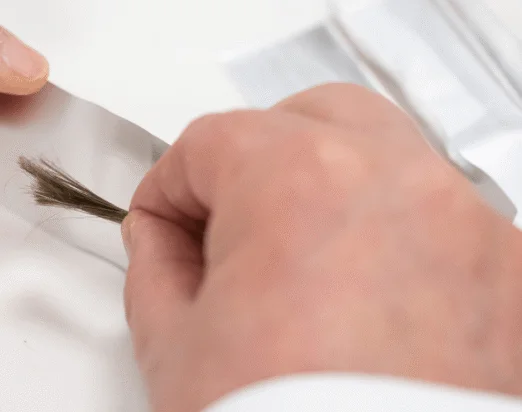
The process could not be simpler. We clip the white tip of the nail, just as you would at home, from as many nails as are available. The sample is then securely packaged and sent directly to our lab for analysis. It is quick, non-invasive, and requires no specialist equipment or preparation on the part of the person being tested.
What is the detection window?
The length of history we can detect depends on the nail sample used. A 3mm fingernail clipping typically covers up to six months of exposure, while a 3mm toenail clipping can look back as far as 12 months.






How nail testing works
1. ingestion & metabolism
2. Incorporation into Nail
3. Laboratory Analysis

Speak to our team
Not sure which direction to take? Our team will help you figure out what’s right for your circumstances.
Nail testing FAQs
Yes, nail EtG testing is a well-validated method and follows the same SoHT guidelines as hair alcohol testing. It’s a strong alternative when hair isn’t available or suitable.
Nail varnish is unlikely to affect EtG results, but we’d always recommend clean, natural nails where possible. Our lab will flag any sample quality concerns before reporting.
We need a minimum sample weight to run a reliable analysis. If fingernails are too short, toenails are a good alternative. Our team can advise before you arrange collection.
Unlike hair, nails can’t be segmented into monthly periods, they give an overall picture across the growth window rather than a month-by-month timeline. This is worth bearing in mind when deciding which test is most appropriate for your needs.