










Aviation drug testing. Accredited testing for the highest safety standards.

Drug testing in aviation is not about catching workers out
Designed for roles where impairment could have catastrophic consequences, our analysis focuses on identifying patterns of substance use over time, helping employers and regulators understand whether there is a genuine cause for concern.
The outcome of our testing is not a verdict, but an insight. One piece of evidence that supports safer, more informed decisions across your organisation and a stronger duty of care to the people who depend on you.
Testing in aviation should be proportionate, defensible, and clearly communicated
It must be transparent, consistent, and used only where there is a genuine safety or compliance justification.
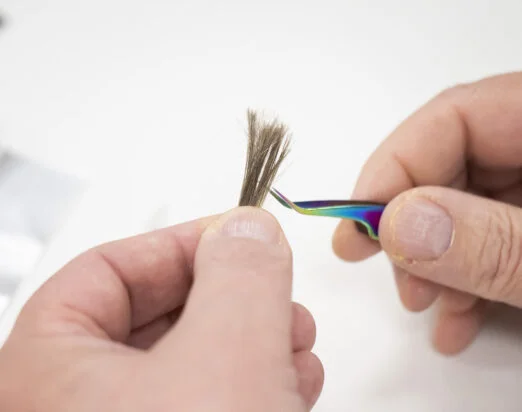
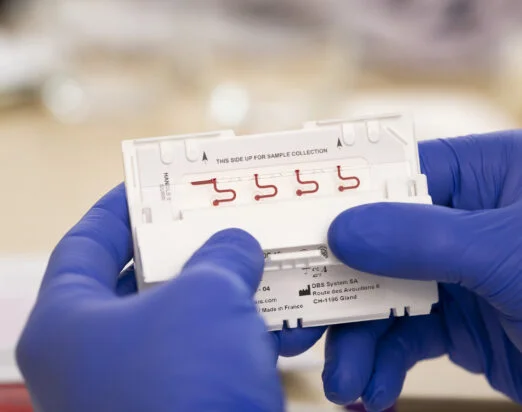
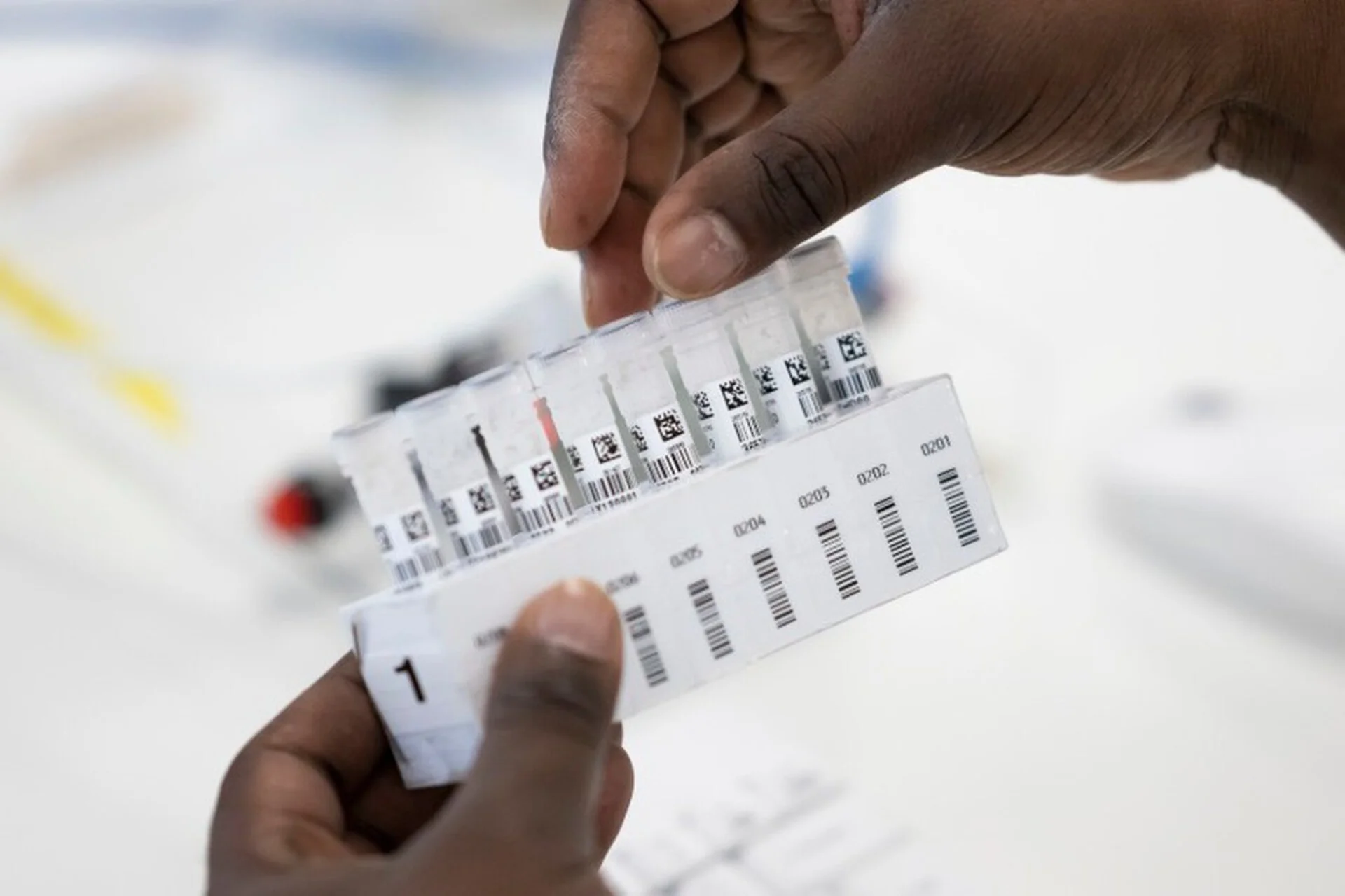
Hair strand and blood analysis look beyond momentary impairment by detecting drug metabolites that remain in the body long after use. This provides clear insight into patterns of use over an extended period and not just a single snapshot. Giving aviation employers and regulators a more reliable, proportionate way to identify genuine risk, protect safety, and maintain trust across every level of the operation.
Safety obligations in aviation are among the most demanding in any sector
CAA guidance, international ICAO standards, and the operational demands of commercial and private aviation all require that employers take a proactive, documented approach to substance misuse. Ground crew, engineers, flight operations staff, and aircrew all sit within safety-sensitive roles where the consequences of impairment are unacceptable.
A structured testing programme is not only a tool for regulatory compliance. It is a cornerstone of genuine duty of care, and a signal to your workforce that their safety (and the safety of everyone who flies) comes first.
How we can help
Pre-employment
Random testing
For-cause testing
Post-incident

Get in touch
Shani Hayman is our BDE specialising in workplace testing and your main point of contact for any queries and quote requests.
5 Panel
Basic analysis
- Amphetamine
- Cannabinoids
- Cocaine
- Methamphetamines
- Opiates
6 Panel
Simple insight
- Amphetamine
- Benzodiazepines
- Cannabinoids
- Cocaine
- Methamphetamines
- Opiates
9 Panel
Most common drug groups
- Amphetamine
- Benzodiazepines
- Cannabinoids
- Cocaine
- Ketamine
- Methadone
- Methamphetamines
- Opiates
- Tramadol
18 panel
Extended analysis
- Amphetamine
- Antidepressants
- Antipsychotics
- Benzodiazepines
- Buprenorphine
- Cannabinoids
- Cathinones
- Cocaine
- Hallucinogenics
- Hypnotic sedatives
- Ketamine
- Mephedrone
- Methadone
- Methamphetamines
- Opioids
- Opiates
- Propoxyphene
- Tramadol
Resources
Our materials are designed to inform and support your professional decisions. Stay equipped with trusted insights from the UK’s leading testing specialists.
Case Studies
Our case studies show how fast, reliable testing helps people move forward with clarity and confidence. These are the stories behind the science.
Collections
Professional, empathetic and highly trained. We are proud to deliver an exceptional service through our skilled collections agents based all across the UK.
Training
We offer practical training, for drug awareness and sample collection. Delivered by our experienced collectors, it equips your team to manage testing confidently and safely.
Support
Caring for your employees and colleagues truly matters. If someone on your team needs help with drugs or alcohol, guidance and support is available to get them safely back on track.
FAQs
Knowledge is power. Our FAQs bring together the key facts, figures, and processes behind our drug and alcohol testing, giving you clear, straightforward answers all in one place.