



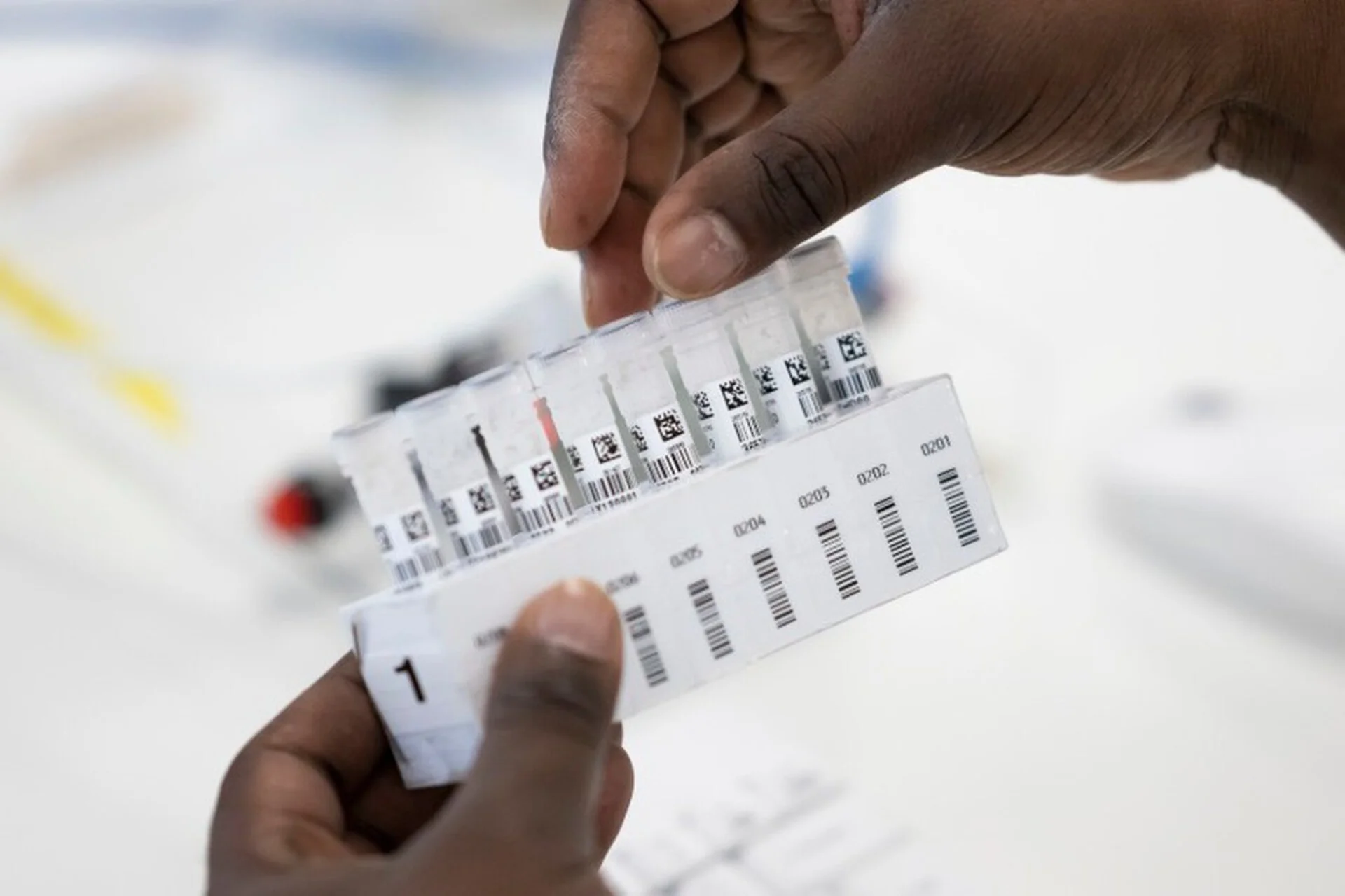







Maritime drug testing. Compliant, reliable testing for life at sea.

Drug testing at sea is not about distrust
It is about ensuring that everyone on board, crew, passengers, and cargo, is protected by a workforce that is fit for the demands of the job. Our drug and alcohol testing and analysis identifies patterns of use over time, helping operators understand whether there is a genuine cause for concern before it becomes a safety event.
The outcome is not a verdict, but an insight. Evidence that supports better decisions, a stronger safety culture, and a clear demonstration of duty of care.
Testing in maritime should reflect the unique demands of the working environment
It must be practical to administer, proportionate in scope, and clearly embedded in your wider drug and alcohol policy.
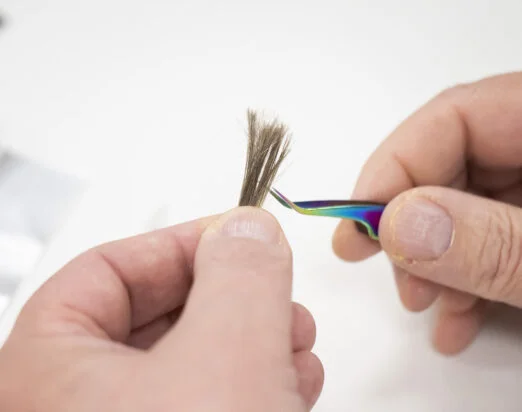
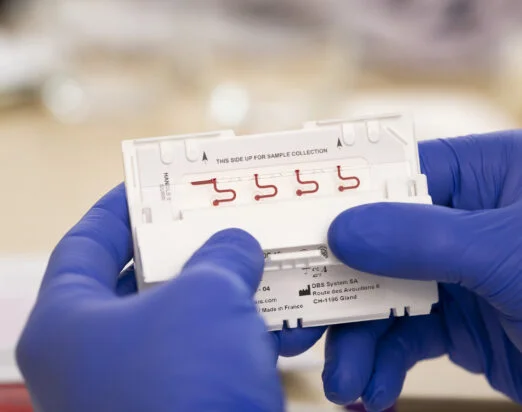
Hair strand and blood analysis detect drug metabolites that remain in the body long after use, providing insight into patterns over time rather than a narrow window of impairment. This is particularly valuable in an industry where shift patterns, remote working environments, and extended rotations make other testing methods less practical.
Maritime drug and alcohol obligations are rooted in international standards
STCW establishes the global fitness-for-duty framework, including the requirement that seafarers are not impaired by drugs or alcohol on duty. Flag state requirements build on this, and the ISM Code requires operators to maintain a functioning Safety Management System. In practice this means a documented drug and alcohol policy with teeth.
For operators in the tanker, offshore, and energy sectors, OCIMF’s TMSA framework sets an even higher bar, with drug and alcohol programme management forming part of the benchmarking assessment that major charterers expect.
Beyond compliance, the consequences of impairment at sea, from near-misses to major incidents, are severe. A structured testing programme is the clearest signal that safety standards are real, not only written down.
How we help
Pre-employment
Random testing
For-cause testing

Get in touch
Alex is Head of Sales and Marketing at Cansford Labs and your main point of contact for employment testing.
5 Panel
Basic analysis
- Amphetamine
- Cannabinoids
- Cocaine
- Methamphetamines
- Opiates
6 Panel
Simple insight
- Amphetamine
- Benzodiazepines
- Cannabinoids
- Cocaine
- Methamphetamines
- Opiates
9 Panel
Most common drug groups
- Amphetamine
- Benzodiazepines
- Cannabinoids
- Cocaine
- Ketamine
- Methadone
- Methamphetamines
- Opiates
- Tramadol
18 panel
Extended analysis
- Amphetamine
- Antidepressants
- Antipsychotics
- Benzodiazepines
- Buprenorphine
- Cannabinoids
- Cathinones
- Cocaine
- Hallucinogenics
- Hypnotic sedatives
- Ketamine
- Mephedrone
- Methadone
- Methamphetamines
- Opioids
- Opiates
- Propoxyphene
- Tramadol
Resources
Our materials are designed to inform and support your professional decisions. Stay equipped with trusted insights from the UK’s leading testing specialists.
Case Studies
Our case studies show how fast, reliable testing helps people move forward with clarity and confidence. These are the stories behind the science.
Collections
Professional, empathetic and highly trained. We are proud to deliver an exceptional service through our skilled collections agents based all across the UK.
Training
We offer practical training, for drug awareness and sample collection. Delivered by our experienced collectors, it equips your team to manage testing confidently and safely.
Support
Caring for your employees and colleagues truly matters. If someone on your team needs help with drugs or alcohol, guidance and support is available to get them safely back on track.
FAQs
Knowledge is power. Our FAQs bring together the key facts, figures, and processes behind our drug and alcohol testing, giving you clear, straightforward answers all in one place.